
Reliable Test Equipment Manufacturer
Reliable Test Equipment Manufacturer
The Increasing Importance of Environmental Testing in Modern Manufacturing
With the rapid development of advanced manufacturing, global industries are placing greater emphasis on product reliability, safety, and long-term performance. As a result, environmental testing technologies are becoming increasingly important in research and production processes.
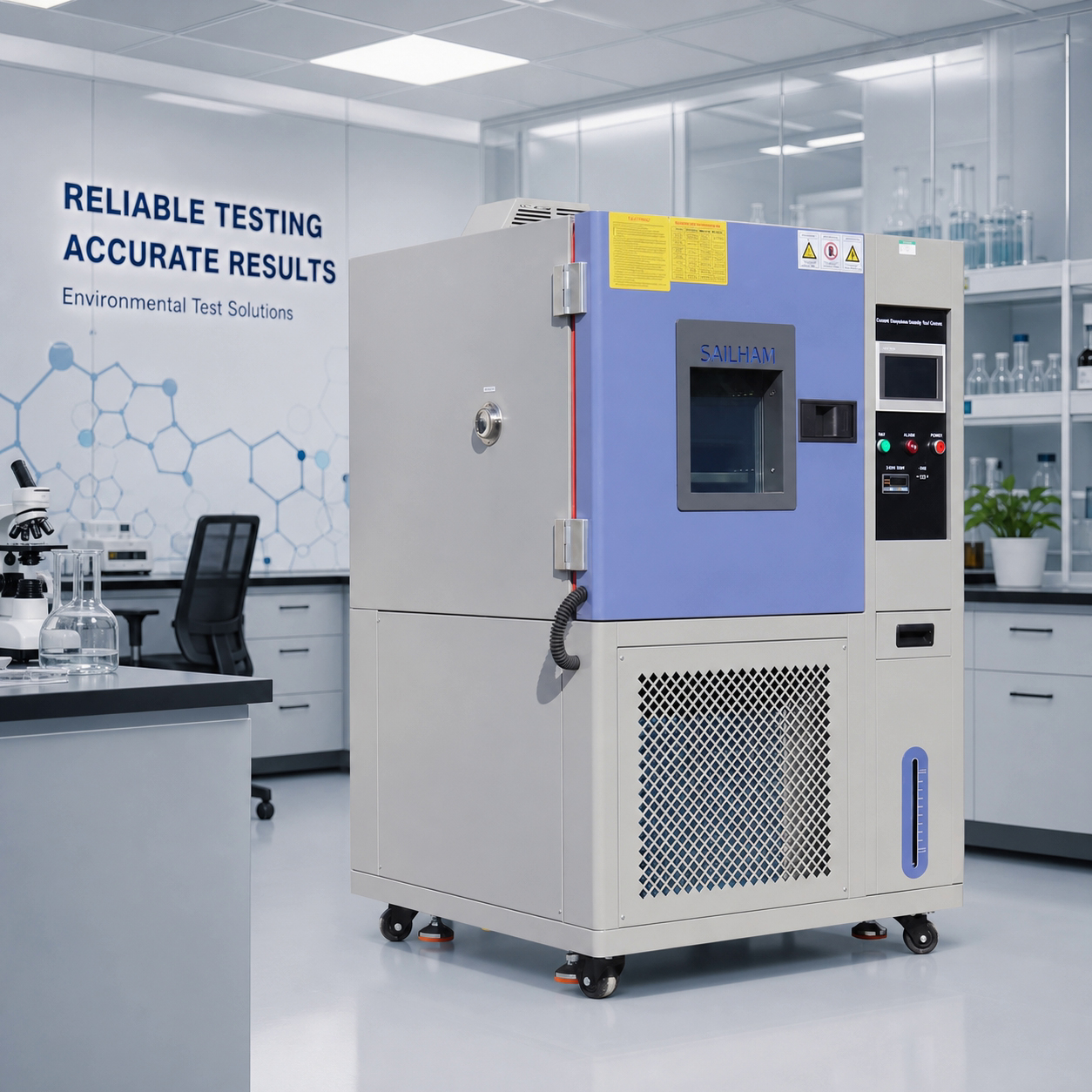
Among various testing solutions, the temperature humidity stability chamber has gained wider attention as manufacturers seek more accurate methods to evaluate product performance under different climate conditions.
From electronic components and automotive systems to medical products and advanced materials, companies across multiple industries are investing in environmental testing capabilities to improve quality control and reduce potential product failures.
In recent years, global supply chains have become more complex, and products are expected to perform reliably in a wider range of environments.
Products may experience significant temperature and humidity variations during transportation, storage, and actual use. These environmental changes can affect material properties, electronic performance, mechanical structures, and overall product lifespan.
To address these challenges, manufacturers are increasingly adopting advanced environmental simulation technologies, including temperature and humidity stability testing.
A temperature humidity stability chamber allows laboratories and production facilities to create controlled climate conditions and evaluate how products respond over time. This approach helps companies identify potential risks earlier in the development process and improve overall product reliability.
The expansion of electronic products and intelligent technologies has created new challenges for manufacturers.
Modern electronic devices often contain highly sensitive components that require strict environmental performance verification. Factors such as moisture exposure, temperature fluctuations, and long-term storage conditions can influence product stability.
In the automotive sector, the increasing use of electronic control systems, sensors, and battery technologies has also increased demand for reliable environmental testing methods.
Manufacturers are now paying more attention to how components perform under extreme climate conditions, including high temperatures, high humidity environments, and rapid environmental changes.
This trend is contributing to the growing application of temperature humidity stability testing equipment in automotive and electronics laboratories.
Environmental stability evaluation has also become a key consideration in pharmaceutical and healthcare-related industries.
Products in these sectors often require strict storage and transportation conditions. Temperature and humidity variations may influence product quality and shelf stability.
By using controlled environmental testing systems, researchers can study product behavior under specific conditions and collect valuable data for quality management.
The increasing focus on product safety and regulatory requirements continues to encourage companies to improve their stability testing capabilities.
The environmental testing industry is also experiencing continuous technological development.
Modern temperature humidity stability chambers are becoming more intelligent, with improvements in:
Digital monitoring systems
Automated test control
Data recording technology
Energy efficiency
Remote operation capabilities
These innovations allow users to perform more efficient testing processes while improving data accuracy and repeatability.
The integration of smart technologies is expected to further transform environmental testing laboratories in the coming years.
The environmental testing industry is also experiencing continuous technological development.
Modern temperature humidity stability chambers are becoming more intelligent, with improvements in:
Digital monitoring systems
Automated test control
Data recording technology
Energy efficiency
Remote operation capabilities
These innovations allow users to perform more efficient testing processes while improving data accuracy and repeatability.
The integration of smart technologies is expected to further transform environmental testing laboratories in the coming years.
As global industries continue to pursue higher quality standards, the demand for reliable environmental testing solutions is expected to remain strong.
The role of the temperature humidity stability chamber will continue expanding as companies require better methods to verify product durability and performance before entering competitive markets.
Future developments are likely to focus on smarter control systems, improved testing accuracy, and greater integration with digital manufacturing environments.
Environmental testing is no longer only a quality inspection process. It has become an important part of product innovation, reliability improvement, and long-term business success.
Phone
+86 13018663273
carleen@sailham.com