
Reliable Test Equipment Manufacturer
Reliable Test Equipment Manufacturer
As global high-tech industries undergo unprecedented cycles of innovation—characterized by rapid automotive electrification, the densification of 5G/6G telecommunications infrastructure, and high-reliability aerospace deployments—the demand for rigorous empirical validation of hardware components has reached a critical juncture. To mitigate the risk of catastrophic field failures induced by macroclimatic stress factors, tier-one testing laboratories and research institutions are systematically upgrading their capabilities with advanced temperature and humidity test chamber instrumentation.
Atmospheric stress, driven by synergistic interactions between severe thermal fluctuations and moisture absorption, accounts for a substantial percentage of premature component degradation and warranty claims globally. This technical brief examines how recent breakthroughs in environmental simulation architecture enable manufacturers to cross-reference product performance against stringent regulatory benchmarks while optimizing structural reliability.
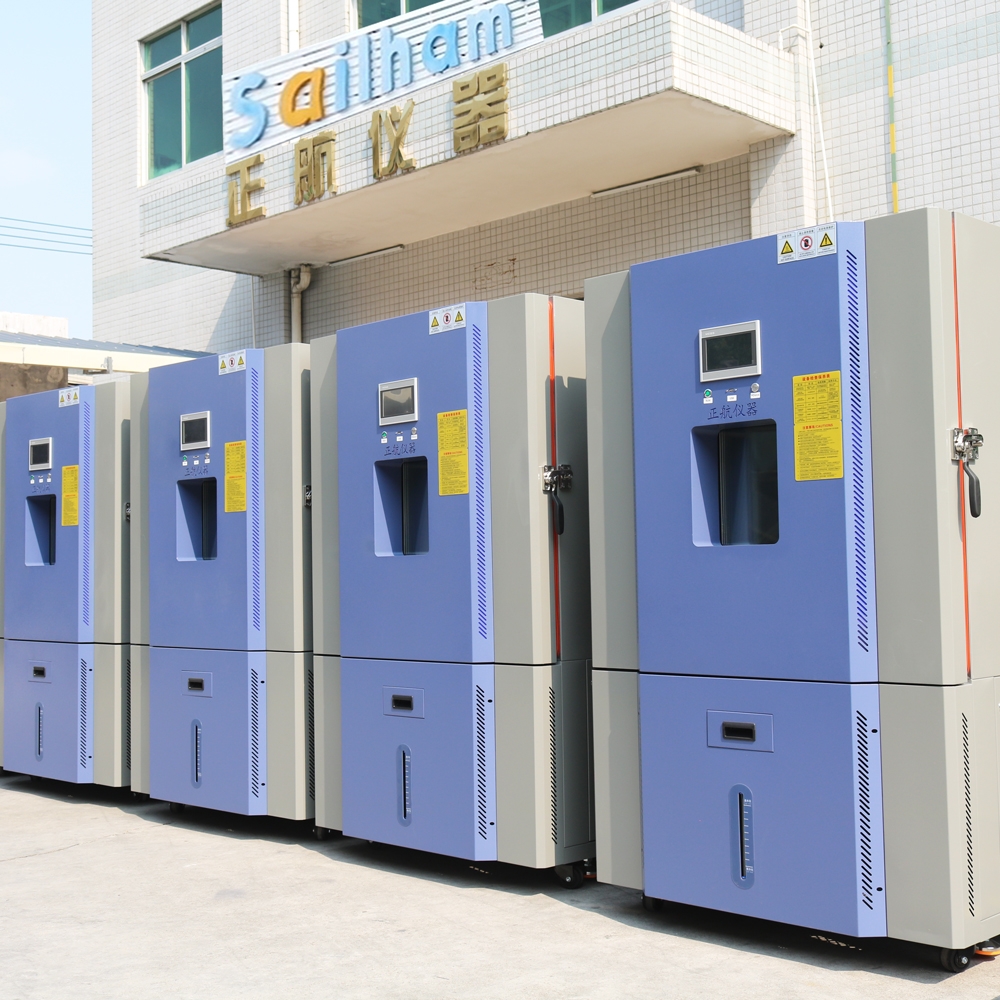
In a highly regulated international marketplace, qualitative assertions of product durability must be substantiated by repeatable, standardized testing procedures. A precision temperature and humidity test chamber establishes an unvarying, closed-loop microclimate environment that allows reliability engineers to execute accelerated life testing (ALT) and environmental stress screening (ESS) with mathematical precision.
Modern environmental simulation platforms are engineered to meet the explicit thermodynamic profiles dictated by dominant global standardization bodies:
IEC 60068 (Environmental Testing Series): Establishes prescribed procedures for assessing the functionality of electrotechnical equipment under precise combinations of damp heat, cyclic humidity, and rapid thermal transitions.
MIL-STD-810H (Department of Defense Test Method Standard): Demands comprehensive environmental engineering considerations, forcing hardware to maintain structural and operational integrity under extreme ambient thermal spectrums and high relative humidity (RH) ratios.
JESD22-A101 (JEDEC Standard): Governs steady-state temperature-humidity bias testing, specifically designed to accelerate electrochemical corrosion and dendritic growth mechanisms within semiconductor packages.
By isolating and replicating these extreme stressors, quality assurance teams can identify latent design vulnerabilities, map material degradation curves, and precisely calculate mean time between failures (MTBF).
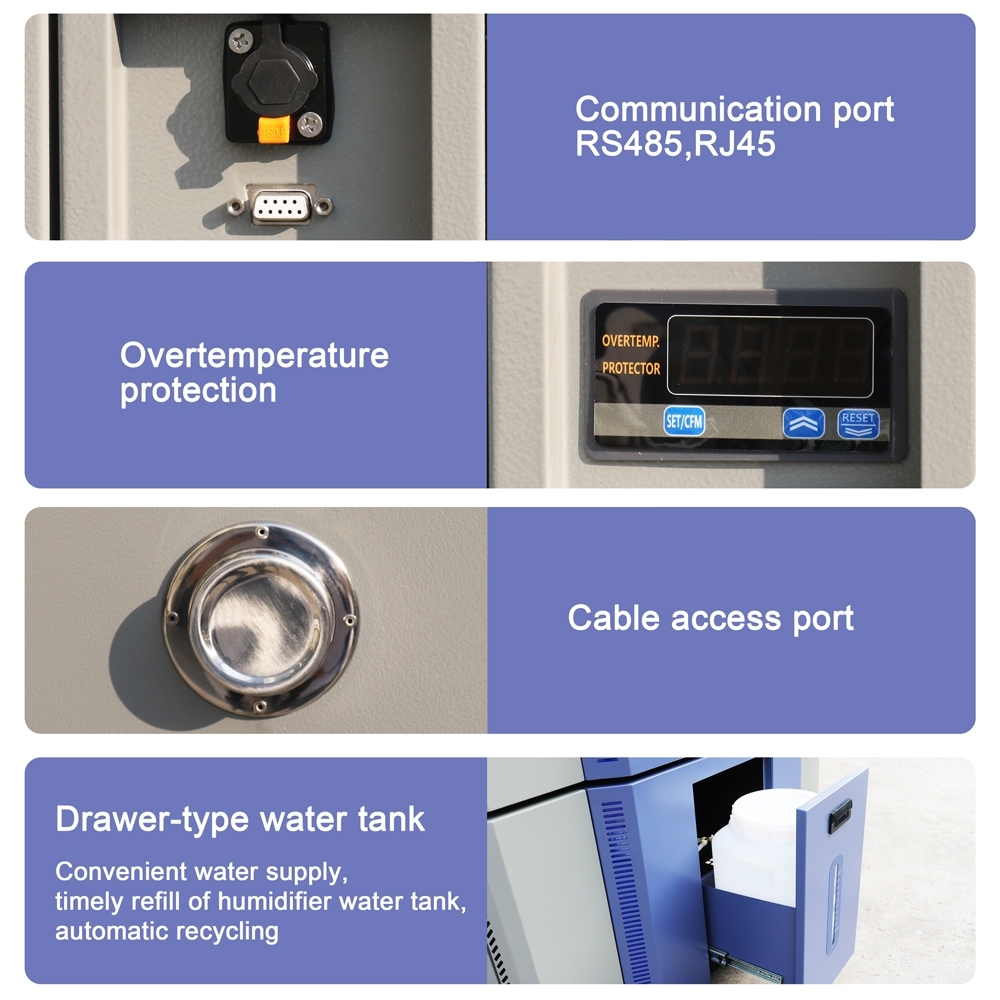
The contemporary climatic simulation enclosure has evolved from an insulated environmental volume into a highly sophisticated, digitally integrated thermodynamic system. To achieve the rigorous calibration standards required by accredited calibration laboratories, specialized equipment manufacturers have pioneered several key technological advancements:
Maintaining spatial uniformity and temporal stability inside a test workspace requires real-time algorithmic adjustments. Modern chambers utilize high-speed programmable logic controllers (PLCs) running proprietary PID algorithms. Interfaced with electronic expansion valves (EEVs) and solid-state capacitive humidity sensors, these systems ensure precise relative humidity control across wide thermal bands, eliminating localized microclimates and condensation anomalies.
To optimize laboratory throughput and simulate instantaneous environmental shifts, modern cascade refrigeration systems utilize heavy-duty compressors engineered for rapid thermal transition rates (5℃/min to 15℃/min and above). This rapid thermal cycling is vital for identifying coefficient of thermal expansion (CTE) mismatches in multi-material assemblies, such as printed circuit board assembly (PCBA) solder joints and composite interfaces.
In alignment with global corporate sustainability initiatives and the tightening of F-gas regulations, modern test chambers integrate variable-frequency drives (VFDs) that dynamically scale compressor output based on the precise internal thermal load of the device under test (DUT). Furthermore, the transition to ultra-low Global Warming Potential (GWP) eco-refrigerants ensures future-proof compliance without sacrificing cooling capacity or pull-down efficiency.
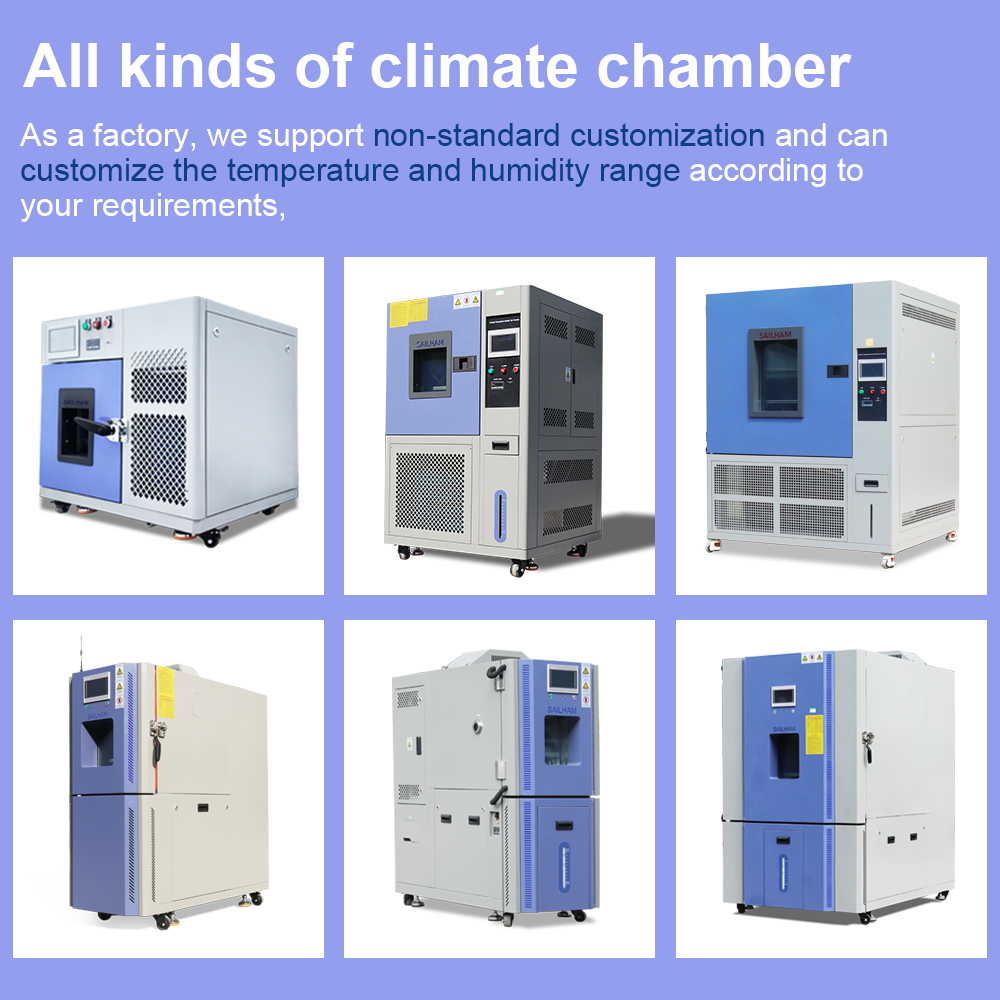
The integration of advanced temperature and humidity test chamber systems is an operational mandate across multiple capital-intensive industries:
Automotive Power Electronics: Lithium-ion powertrain batteries, onboard chargers (OBC), and advanced driver-assistance systems (ADAS) must withstand extreme under-hood thermal gradients combined with high humidity, preventing moisture-induced insulation breakdown.
Telecommunications Infrastructure: Next-generation macro cells and smart grid components are subjected to continuous outdoor exposure, necessitating rigorous testing against diurnal temperature cycles and high moisture ingress.
Aerospace Avionics: Instrumentation arrays undergo rapid barometric and thermal transitions during flight profiles, requiring rigorous verification under simulated high-altitude humidity levels.
Phone
+86 13018663273
carleen@sailham.com