
Reliable Test Equipment Manufacturer
Reliable Test Equipment Manufacturer
As product designs become more advanced, manufacturers are facing higher requirements for environmental reliability testing. Products may experience significant changes in temperature and humidity during transportation, storage, and daily operation. Testing under only one constant condition may not fully represent these environmental challenges.
The programmable climate chamber offers a flexible solution by allowing users to set different environmental conditions and testing sequences according to specific requirements. Through programmable temperature and humidity profiles, laboratories can simulate changing climatic conditions and evaluate how products respond over time.
Flexible Testing with Customized Programs
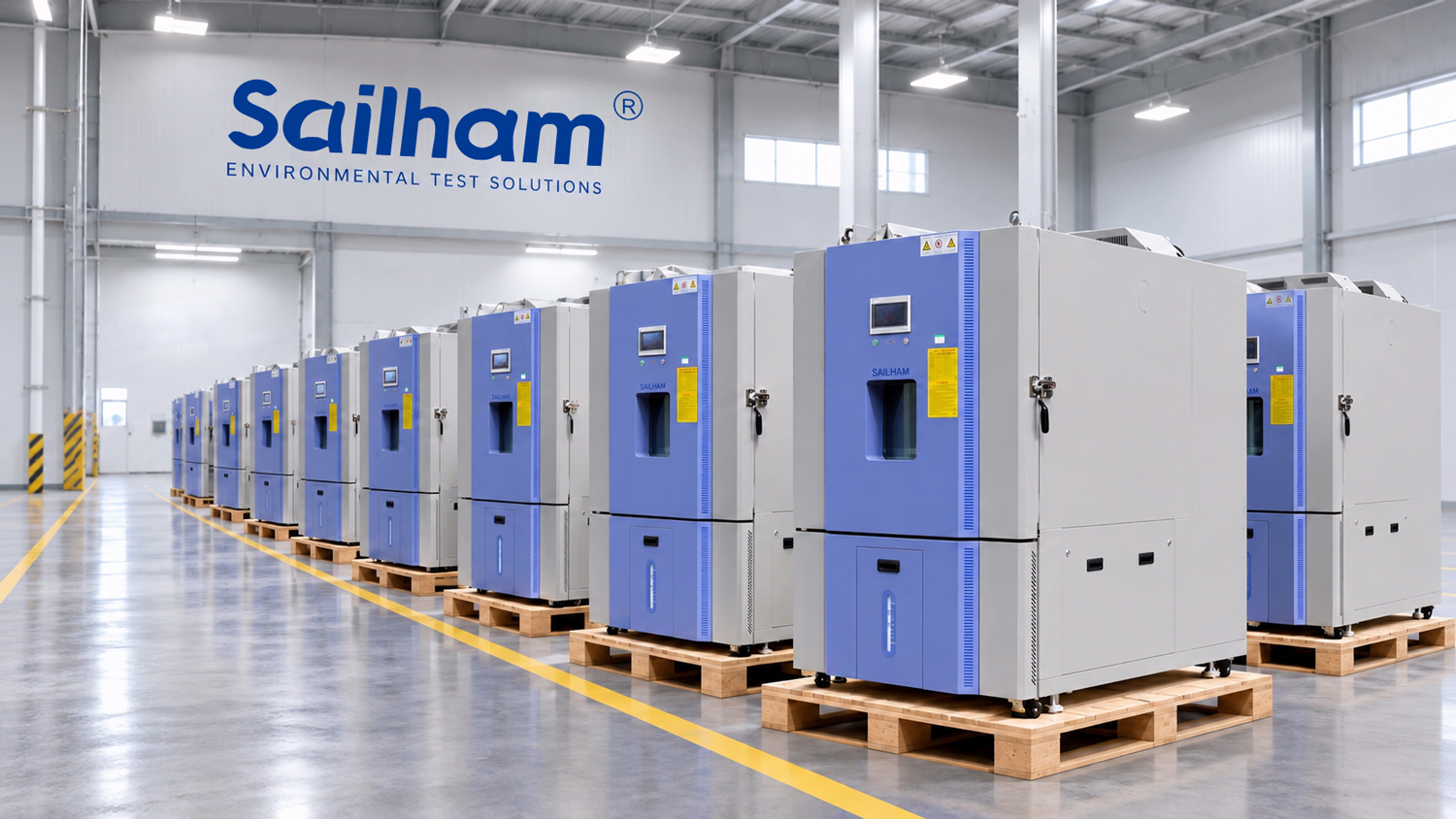
One of the major advantages of a programmable climate chamber is its ability to perform automatic testing cycles. Users can configure temperature settings, humidity levels, holding times, and cycle sequences through the control system.
Once a test program is established, the chamber can automatically follow the selected procedure. This reduces the need for frequent manual adjustments and helps improve testing consistency.
Programmable environmental testing is particularly useful for experiments involving temperature cycling, humidity exposure, and long-term environmental conditioning. It also allows laboratories to repeat testing procedures under similar conditions, supporting product comparison and reliability analysis.
Applications in Different Manufacturing Industries
programmable climate chambers are widely used in industries where environmental conditions can influence product performance and service life.
In the electronics industry, they help evaluate the environmental resistance of circuit boards, sensors, communication devices, and electronic components. Automotive manufacturers use climate testing to assess the durability of vehicle components and electrical systems.
The equipment is also suitable for testing plastics, rubber, coatings, packaging materials, and other industrial products. In pharmaceutical and scientific laboratories, programmable temperature and humidity conditions can support stability studies and controlled environmental research.
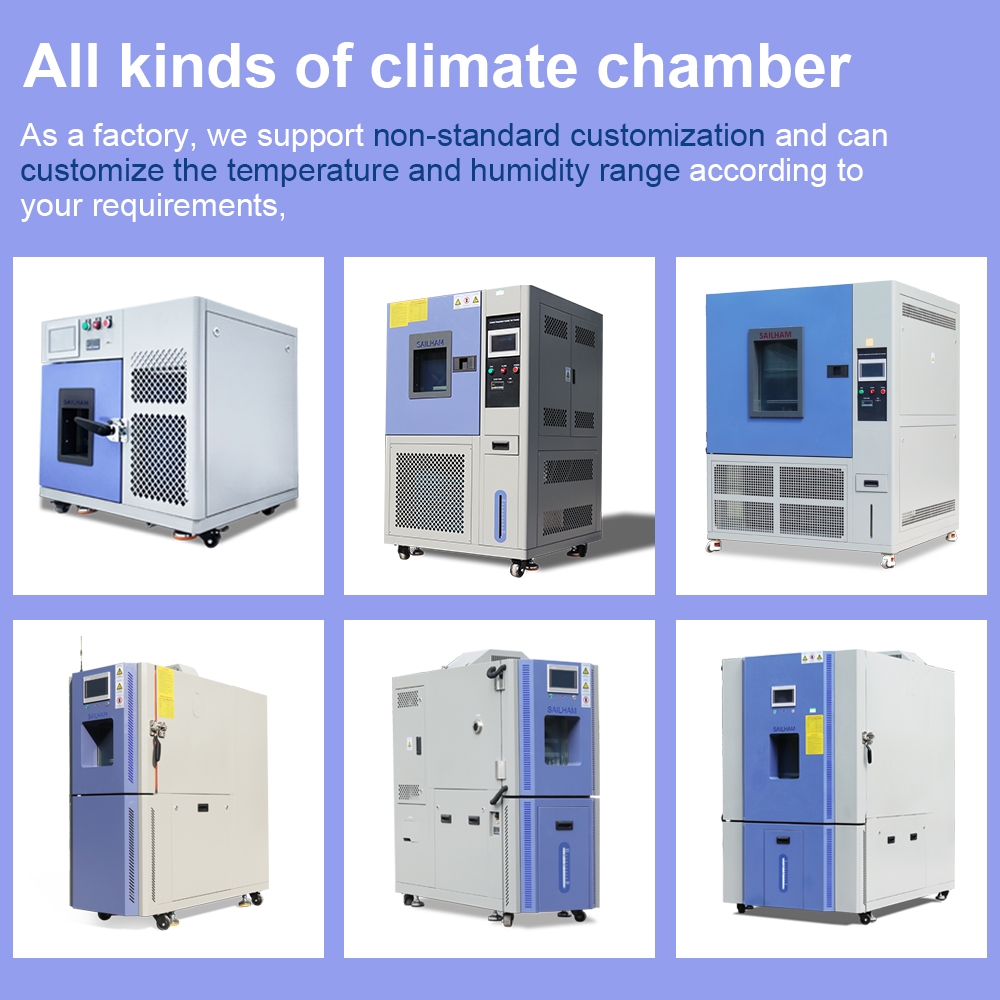
Improving Testing Efficiency and Data Consistency
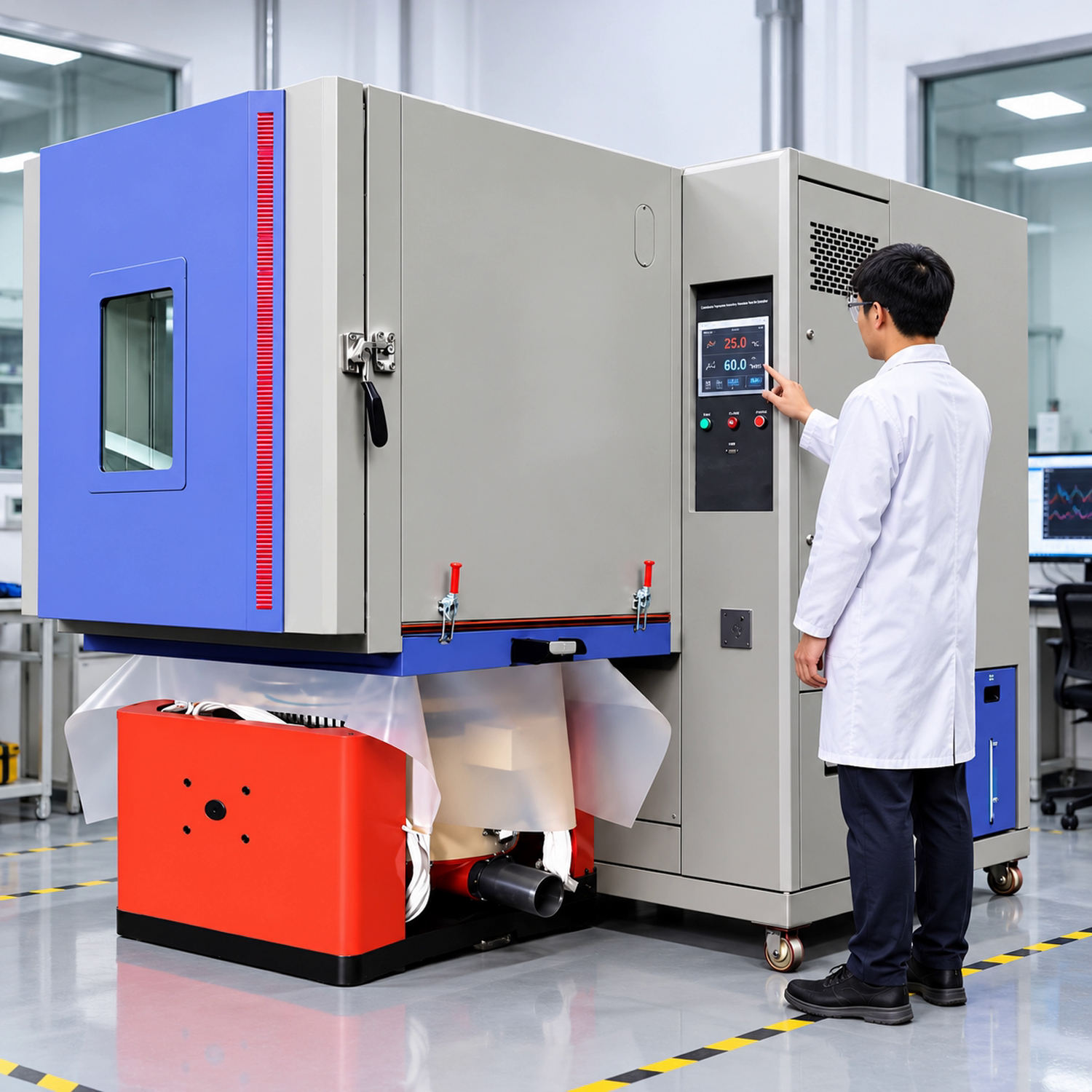
As product development cycles become shorter, laboratories need testing equipment that supports efficient and repeatable operations. A programmable climate chamber helps simplify complex environmental testing procedures through preset programs and automatic operation.
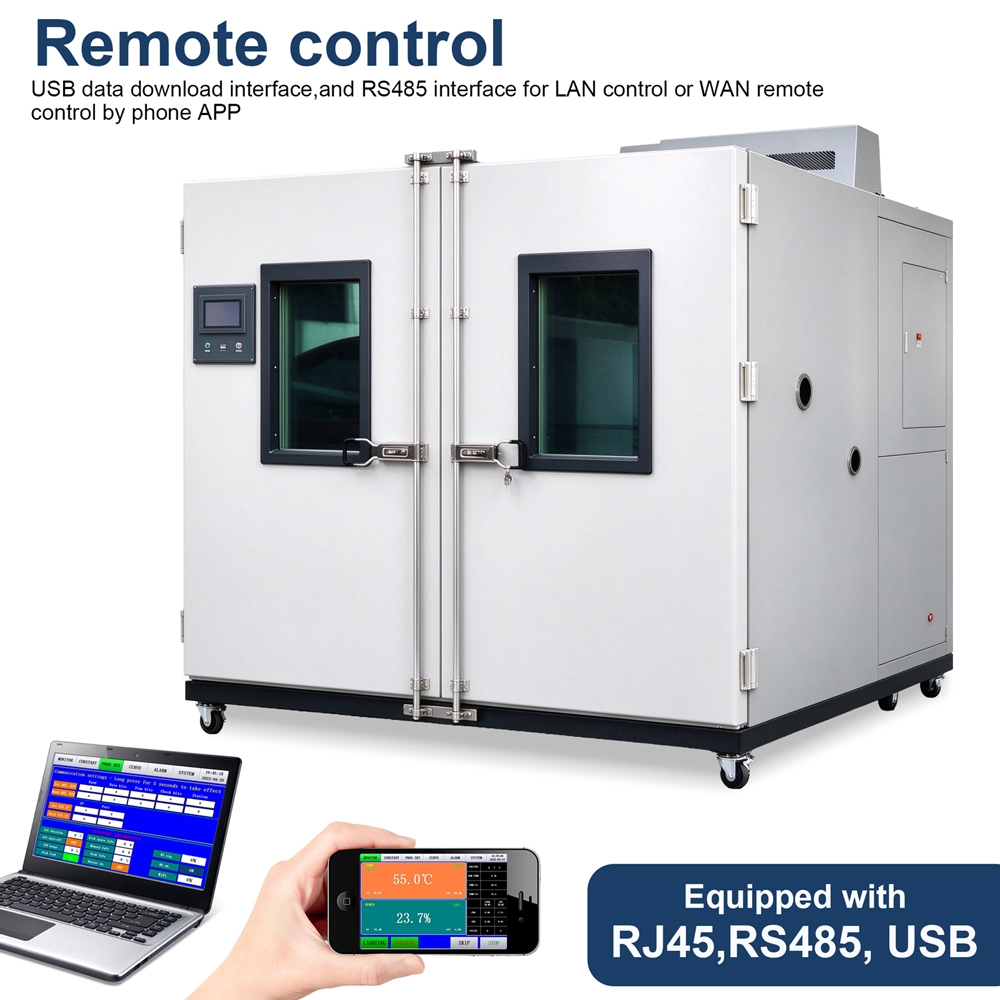
By reducing repetitive manual adjustments, programmable control can improve workflow efficiency and help minimize operational errors. Combined with appropriate monitoring and data recording functions, it also supports the analysis of environmental test results.
Future Trends in programmable climate chambers
The development of environmental testing equipment is moving toward greater automation, more flexible programming, and improved monitoring capabilities. Modern laboratories increasingly value equipment that can accommodate different test procedures and changing research requirements.
programmable climate chambers are expected to remain an important part of industrial quality control and product reliability evaluation. Their flexibility makes them suitable for manufacturers and research institutions seeking more comprehensive environmental testing solutions.
A programmable climate chamber provides an effective way to simulate controlled and changing environmental conditions. With customizable testing programs, automatic operation, and wide industrial applications, it helps manufacturers evaluate product durability and improve quality assurance.
As demand for reliable products continues to grow, programmable environmental testing will play an increasingly important role in product development, laboratory research, and industrial quality control.
Phone
+86 13018663273
carleen@sailham.com