
Reliable Test Equipment Manufacturer
Reliable Test Equipment Manufacturer
As manufacturing industries continue to expand across Southeast Asia and global markets, product durability and weather resistance have become important factors in quality assurance. Materials used in outdoor environments may be exposed to sunlight, heat, and moisture for long periods. These conditions can cause color fading, surface cracking, material degradation, and changes in physical properties.
A UV chamber is designed to simulate ultraviolet radiation and selected environmental conditions in a controlled laboratory environment. It helps manufacturers evaluate the weathering resistance of materials and understand how products may respond to long-term UV exposure.
With increasing demand for durable products in industries such as automotive, construction, plastics, coatings, and electronics, UV aging test chambers are becoming an important part of product development and reliability testing.
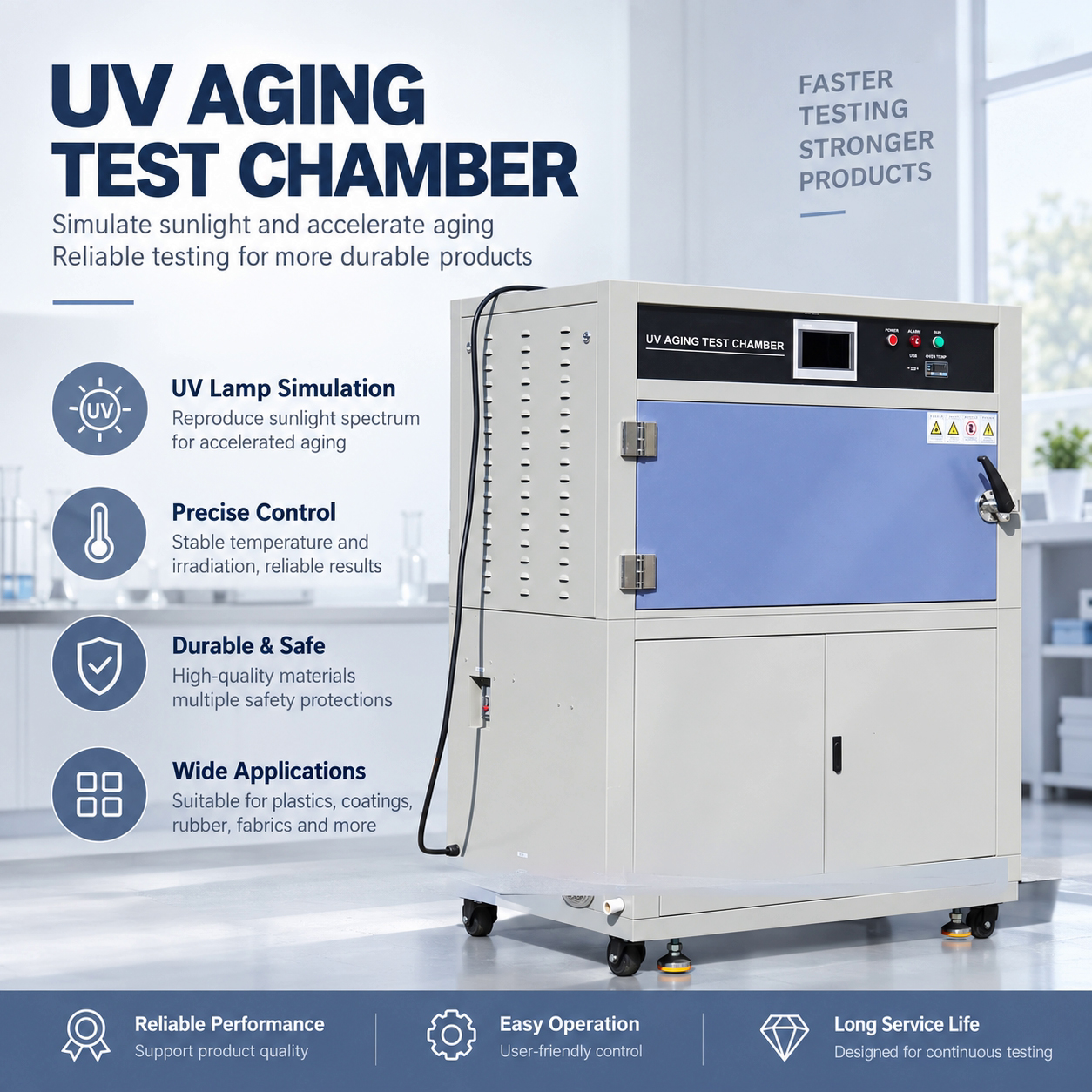
How Does a UV Chamber Work?
4.A UV chamber uses ultraviolet lamps to reproduce the UV portion of sunlight that contributes to material weathering. Depending on the chamber configuration, the equipment may also provide temperature control, condensation, and water spray functions to simulate different environmental exposure conditions.
During testing, samples are exposed to programmed cycles of UV radiation and moisture. These cycles help users evaluate changes in color, surface appearance, gloss, cracking, and other material properties.
A UV aging test chamber is particularly useful for studying the effects of ultraviolet exposure on materials that may be used outdoors. The test results can support material selection, product improvement, and quality control.
UV chambers are widely used in different industrial sectors.
1.Plastics and Polymer Materials
UV aging testing helps evaluate the resistance of plastics and polymer materials to ultraviolet radiation. It can reveal changes in appearance and selected physical properties after exposure.
2.Automotive Industry
Automotive manufacturers and suppliers may use UV chambers to test selected interior and exterior materials, coatings, dashboards, and plastic components for UV weathering resistance.
3.Paints and Coatings
UV exposure can affect the appearance and durability of paints and protective coatings. UV chamber testing helps assess color changes, surface degradation, and coating performance under controlled conditions.
4.Construction Materials
Building materials, sealants, roofing products, and outdoor components may be evaluated for weathering resistance to support product quality assessment.
5.Textiles and Consumer Products
Selected fabrics, outdoor textiles, and consumer product materials can be tested for UV-related color fading and aging.
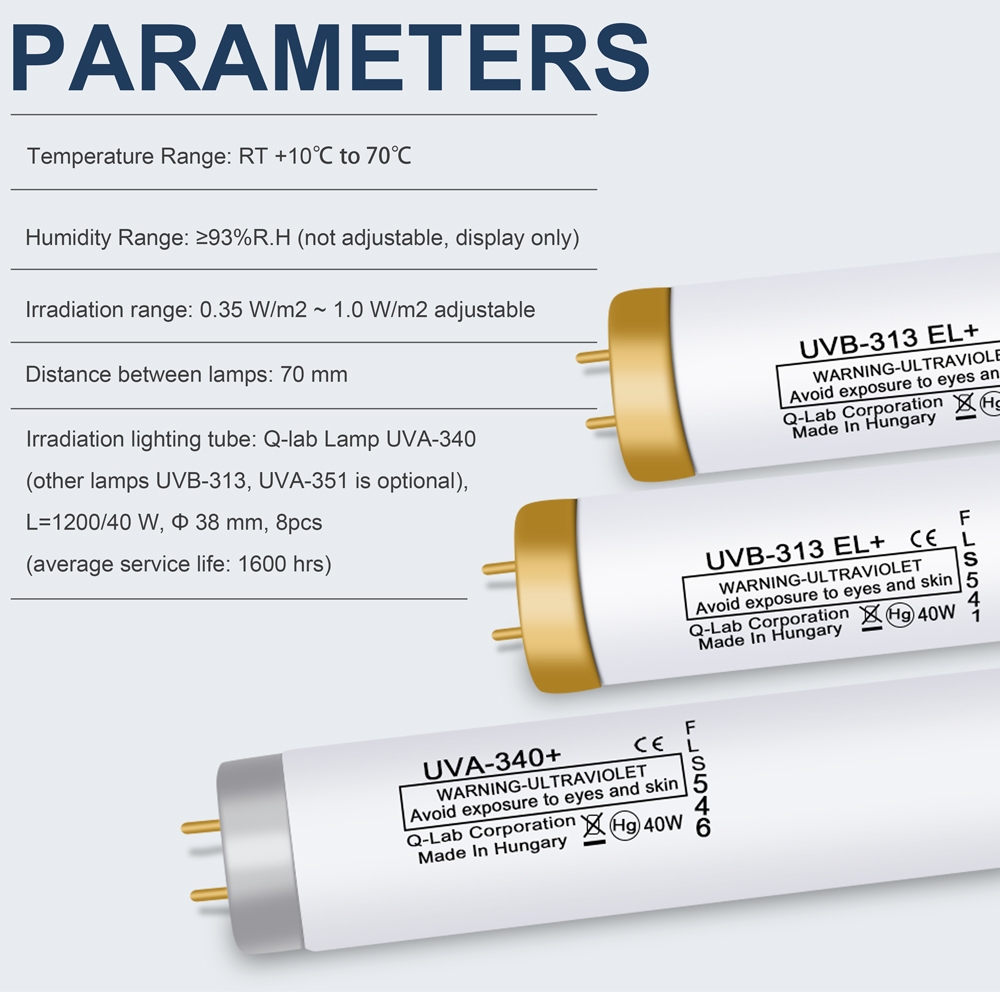
Key Benefits of UV Aging Testing
1. Accelerated Weathering Evaluation
UV chamber testing exposes samples to controlled ultraviolet radiation and environmental cycles. It can help evaluate material changes within a planned laboratory testing period.
2. Controlled Testing Conditions
Programmable UV exposure, temperature, and moisture cycles allow users to establish testing procedures according to specific requirements.
3. Support for Product Development
Test results can help manufacturers compare materials, evaluate protective coatings, and identify potential durability issues during product development.
4. Improved Quality Control
UV aging tests provide useful information for material evaluation and quality assurance, helping manufacturers make more informed decisions about product durability.
It is important to note that accelerated UV test results do not always directly correspond to actual outdoor service life. The test method and conditions should be selected according to the material, application, and applicable standards.
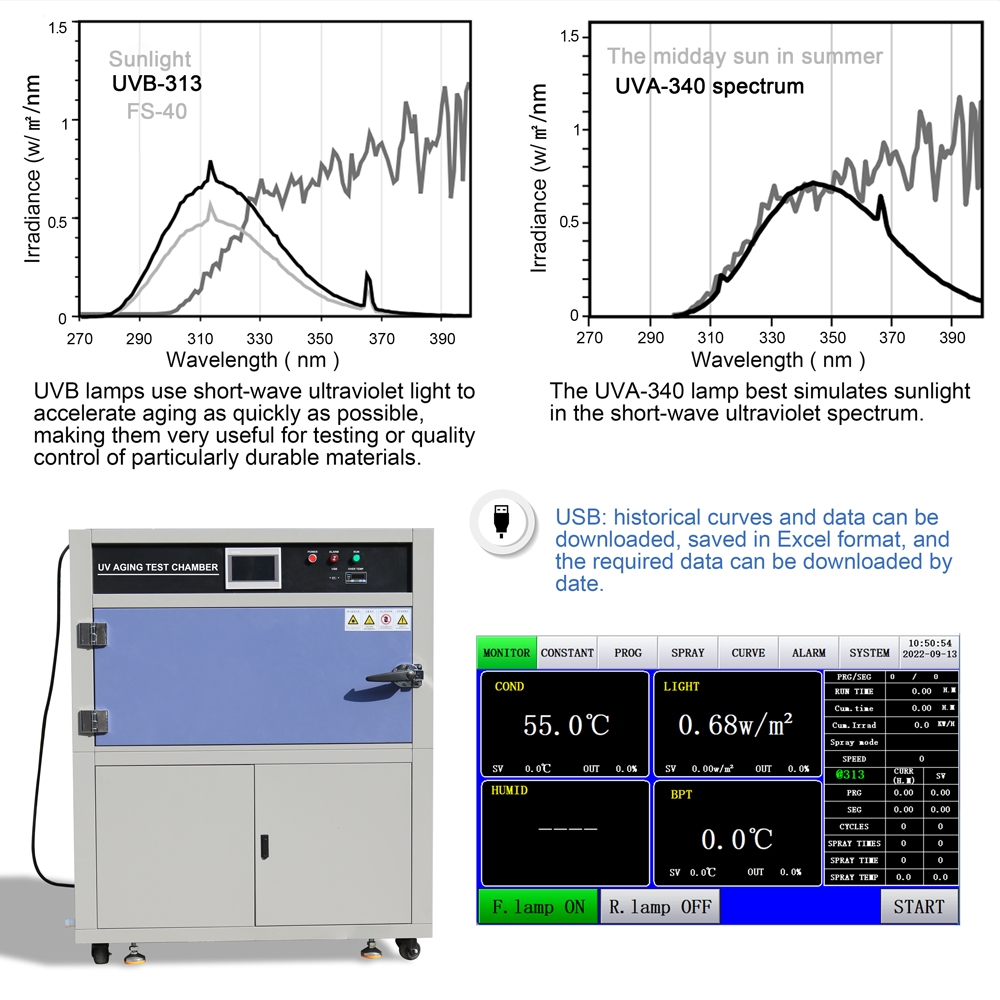
Trends in UV Chamber Technology
The development of UV chambers is increasingly focused on precise irradiance control, programmable test cycles, convenient operation, and improved data management.
Modern UV aging test chambers may incorporate digital control systems, automatic cycle programming, temperature monitoring, and irradiance adjustment. These functions can help laboratories manage testing procedures more efficiently and improve test repeatability.
Manufacturers are also paying greater attention to flexible equipment configurations. Different materials may require different UV lamp types, exposure conditions, sample capacities, and moisture simulation functions.
Sailham: Professional Environmental Testing Equipment Manufacturer
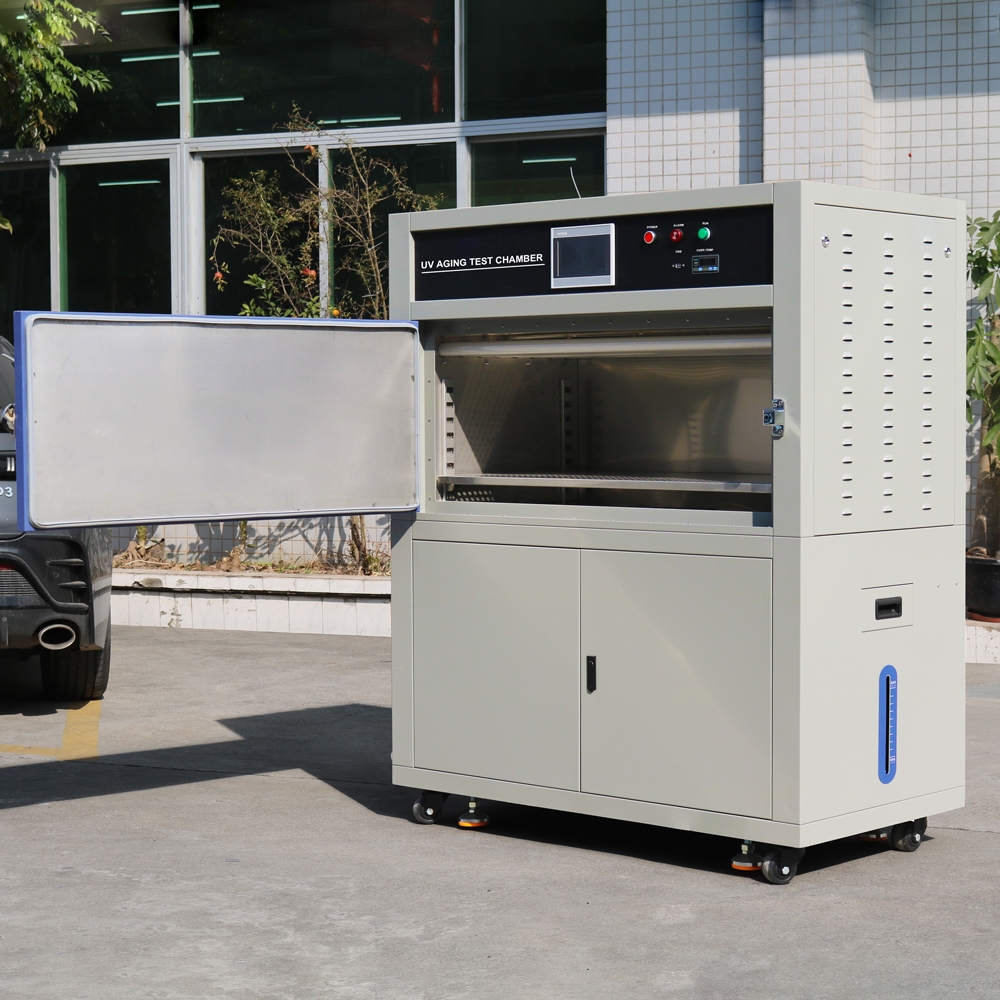
Sailham is a manufacturer of environmental testing equipment, providing UV chambers, xenon aging test chambers, temperature humidity test chambers, thermal shock chambers, and other environmental reliability testing solutions.
With manufacturing capabilities, independent research and development, and customized engineering services, Sailham supports customers in plastics, automotive, coatings, construction materials, electronics, and laboratory testing industries.
The Sailham UV Chamber provides a practical solution for accelerated UV aging and material weathering evaluation. As manufacturers continue to focus on product durability and quality assurance, UV testing remains an important process in modern material research and product development.
Sailham is committed to providing professional environmental testing equipment to support reliable testing, quality control, and product improvement for global customers.
Phone
+86 13018663273
carleen@sailham.com