
Reliable Test Equipment Manufacturer
Reliable Test Equipment Manufacturer
Moisture-related failures remain an important concern for manufacturers developing products for electronics, automotive, energy, and outdoor applications. As product designs become more compact and complex, manufacturers are paying closer attention to how humidity can influence long-term performance. This has increased the role of the humidity test chamber in laboratory reliability testing.
Recent industry research indicates that temperature and humidity chambers represent one of the major segments of the environmental test chamber market. The continued demand is closely related to the growing need for product reliability and durability testing across industries such as electronics, automotive, aerospace, and healthcare.
Understanding the Impact of Humidity
Humidity is not simply an environmental parameter. Prolonged exposure to moisture can contribute to corrosion, insulation deterioration, material swelling, surface degradation, and changes in electrical performance. For products containing sensitive electronic or mechanical components, these effects may gradually reduce reliability.
A humidity test chamber provides manufacturers with a controlled environment for studying these effects. Instead of waiting for products to experience natural climatic conditions, engineers can establish specific temperature and relative humidity conditions and monitor product behavior throughout the test.
This approach is particularly useful during product development because potential weaknesses can be identified before large-scale production.
From Environmental Simulation to Reliability Analysis
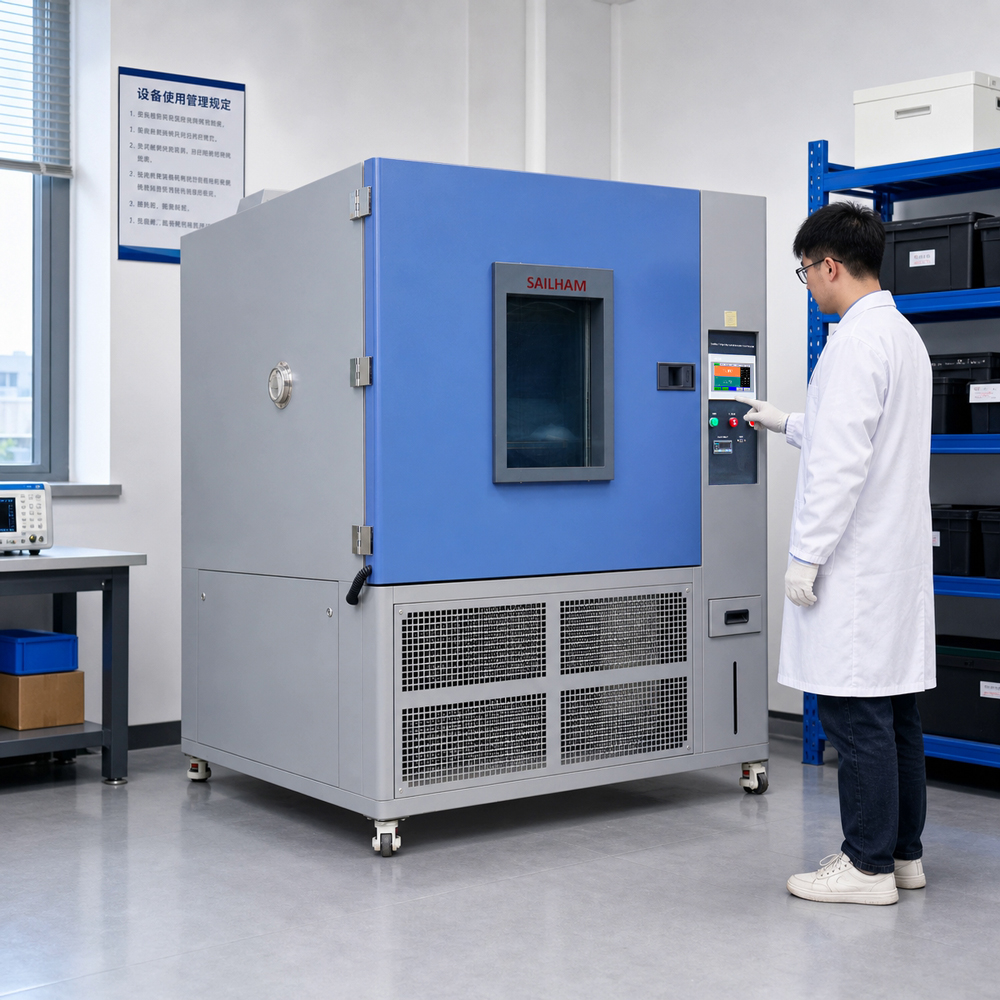
Modern humidity testing is increasingly being integrated into broader reliability programs. Engineers may use a temperature humidity test chamber to evaluate materials, components, assemblies, or finished products at different stages of development.
For example, electronic products may be tested for moisture-related performance changes, while automotive components can undergo climatic exposure to assess their resistance to environmental stress. Battery systems, photovoltaic components, connectors, coatings, plastics, and packaging materials can also require controlled humidity testing depending on their intended applications.
The objective is not simply to expose a product to moisture, but to generate repeatable test conditions that allow engineering teams to compare results and make informed design decisions.
Stability and Data Consistency Become Key Considerations
As environmental testing becomes more data-driven, chamber stability is receiving greater attention. Temperature uniformity, humidity control, sensor performance, air circulation, and long-term operating stability can all influence the consistency of test conditions.
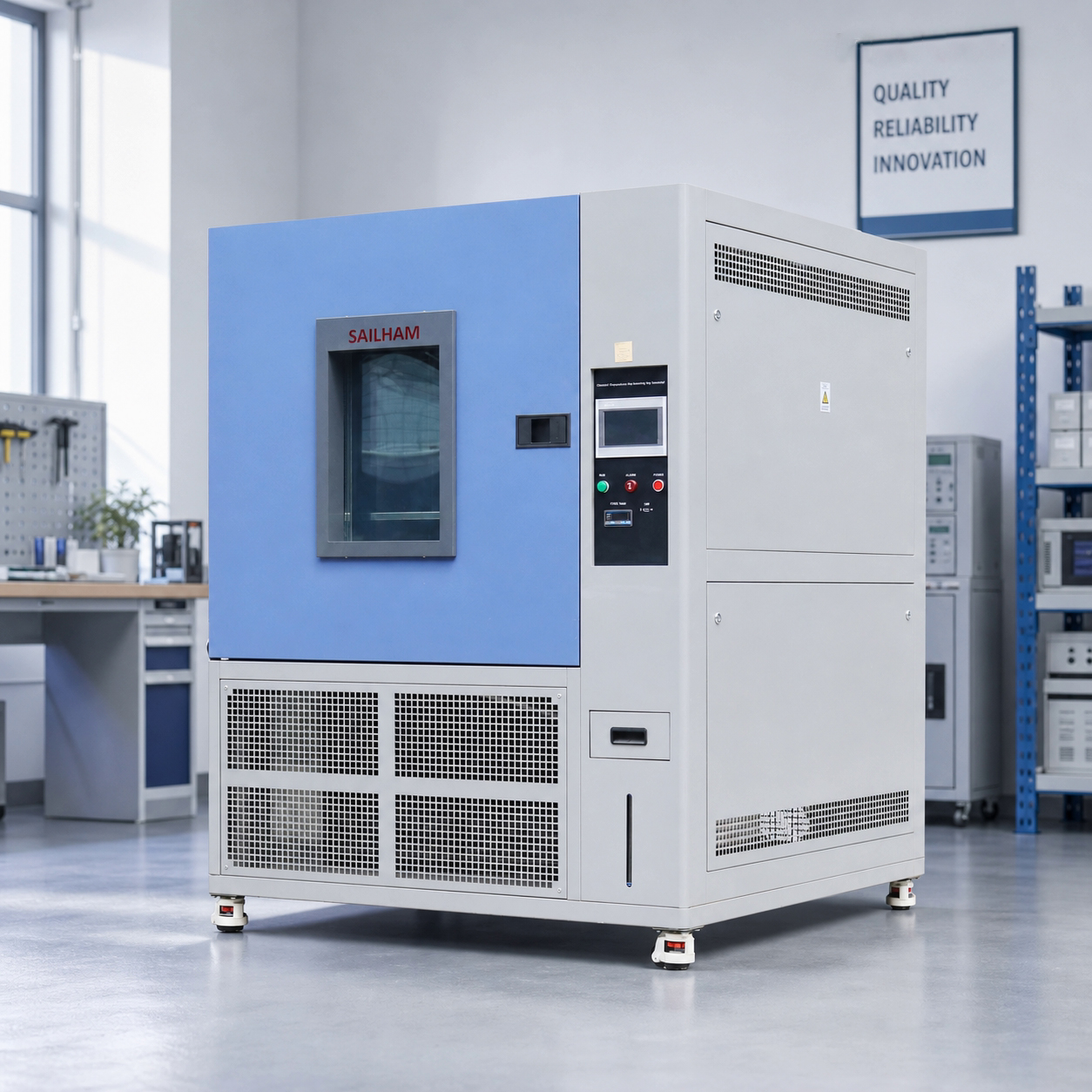
A properly designed humidity test chamber can help laboratories maintain controlled conditions throughout extended testing cycles. Reliable monitoring and programmable test profiles can also simplify the management of repeated tests and improve the traceability of environmental exposure data.
Supporting the Next Stage of Product Development
The growing complexity of modern products means that reliability testing is increasingly being considered during the early stages of engineering rather than only during final quality inspection. Controlled humidity testing can provide useful information for material selection, component design, protective coatings, sealing solutions, and overall product durability.
As manufacturers continue to seek more reliable products and consistent quality, the humidity test chamber is expected to remain an important part of environmental testing laboratories. By providing repeatable moisture and temperature conditions, humidity testing gives engineers a practical way to evaluate environmental resistance and identify potential reliability risks before products reach real-world applications.
Phone
+86 13018663273
carleen@sailham.com